HC dismisses plea against tobacco advertisement
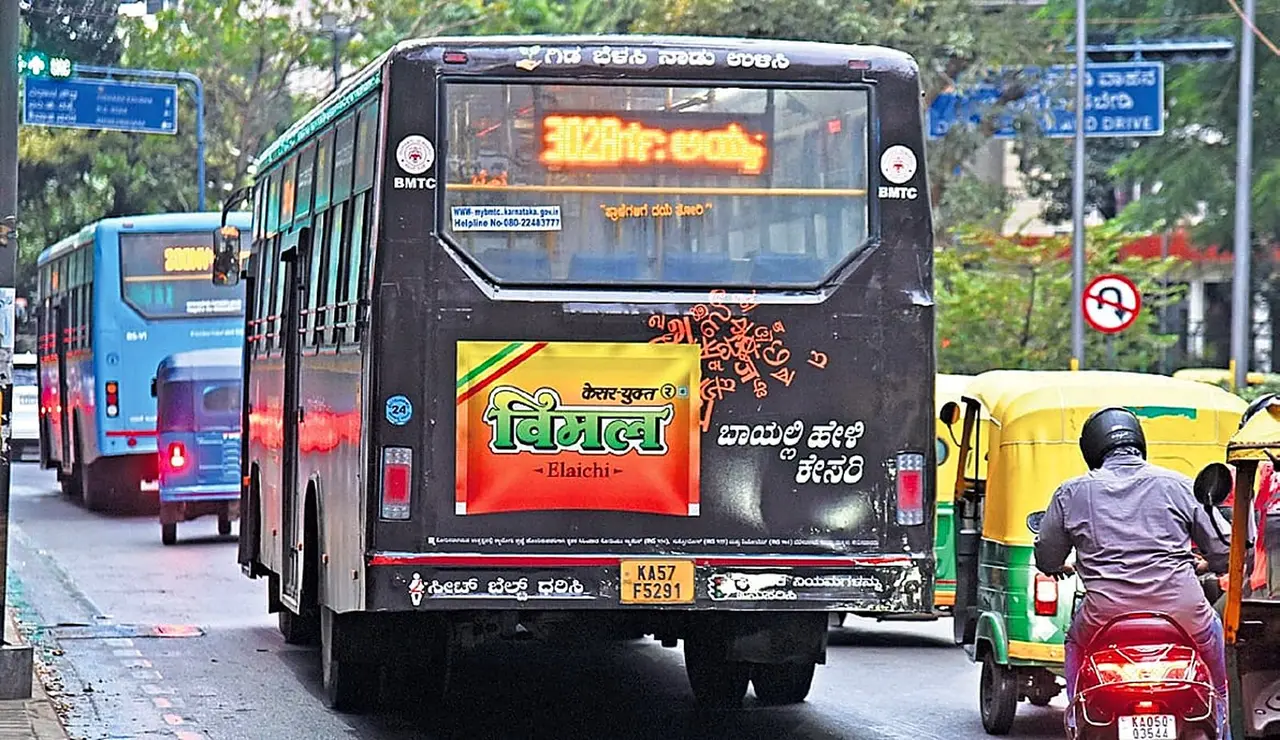
BENGALURU: The Karnataka High Court has officially dismissed a writ petition filed by an outdoor advertising firm challenging circulars issued by the Karnataka State Road Transport Corporation (KSRTC) and the Bangalore Metropolitan Transport Corporation (BMTC) that mandated the removal of tobacco product advertisements from public transport buses and bus stations.
A single-judge bench presided over by Justice C.M. Poonacha delivered the ruling following a legal challenge brought forward by ‘M/s Sai Advertiser’. The petitioner firm had previously secured advertising rights through a competitive tender process, entering into formal agreements to display commercial products, including ‘Vimal Elaichi’, across transport corporation assets. However, early in the year, KSRTC on January 31 and BMTC on February 2 issued strict directives ordering the removal of all advertisement stickers and illuminated glow signs directly or indirectly promoting tobacco items.
Counsel for the petitioner argued that the advertised goods were natural items rather than prohibited tobacco products and maintained that the state transport bodies were legally bound to honor their valid contractual agreements. They further contended that no competent regulatory authority, including the Food Safety and Drug Administration, had flagged the advertisements for legal violations.
In contrast, government pleaders defended the removal directives by citing the Cigarettes and Other Tobacco Products (Prohibition of Advertisement and Regulation of Trade and Commerce, Production, Supply and Distribution) Act, 2003 (COTPA). They argued that promoting such products remains unlawful and that failure to comply with statutory restrictions could expose the transport corporations themselves to severe legal liabilities and prosecution.
The High Court declined to grant relief under writ jurisdiction, observing that the dispute fundamentally concerns a commercial contract between the parties. The bench ruled that contractual grievances cannot be resolved through a writ petition, though it noted that the petitioner remains free to pursue alternative legal remedies outlined in the agreement or submit formal objections directly to the transport corporations for administrative review.