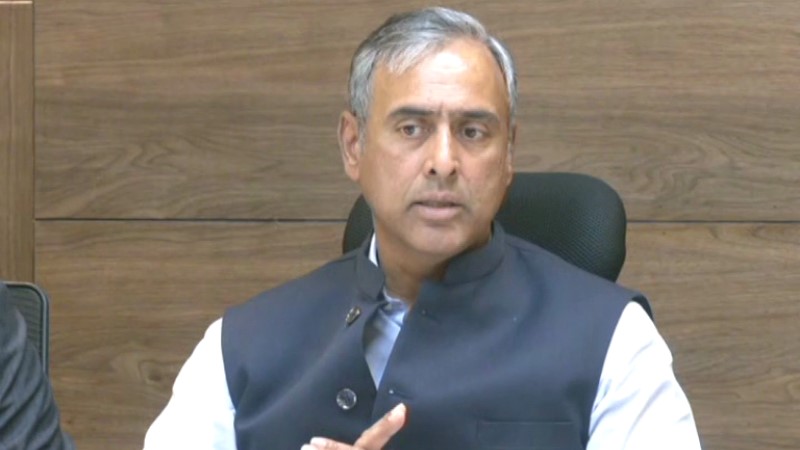
BENGALURU The Karnataka state administration has officially moved the Supreme Court to contest a recent High Court directive that established a special investigative team to probe the multi-layered Karnataka Public Service Commission (KPSC) recruitment scam. State authorities argue that substituting the existing police machinery at an advanced stage is completely unnecessary. The legal confrontation stems from a High Court order that mandated a five-member Special Investigation Team (SIT), headed by Prisons Department Director General Alok Kumar, to take over the investigation into alleged question paper leaks and OMR sheet tampering. The court instructed the newly formed panel to conclude its inquiries and submit a comprehensive status report within a strict one-hundred-day window. Government counsel contended before the apex court that the Criminal Investigation Department (CID) has already completed roughly 80 percent of the groundwork. Investigators have successfully mapped complex financial trails, frozen illicit cash reserves, and arrested prominent figures, including suspended IAS officer and former KPSC examination controller Gnanendra Kumar alongside middleman Basavaraj Kannale. The state's petition emphasizes that the High Court ordered the transfer without citing tangible flaws or procedural delays in the ongoing CID operations. Furthermore, state officials argued that the judicial order failed to account for crucial investigative updates and material evidence gathered by the CID after August 24. Pointing out that original petitioners had requested a Central Bureau of Investigation (CBI) probe rather than a state-level SIT, the government urged the Supreme Court to quash the lower court's ruling to maintain investigative momentum. The legal challenge has triggered sharp political reactions across the state. Opposition leaders, led by former Chief Minister H.D. Kumaraswamy, launched aggressive verbal attacks against the ruling administration. Kumaraswamy alleged that opposing an independent SIT demonstrates an intent to shield corrupt actors and manipulate the inquiry to protect high-level political interests, intensifying political friction over the public recruitment scandal.
State challenges SIT probe in Supreme Court