Delhi seizes 949 litres of ghee in food safety raids
Authorities collected 15 samples for laboratory testing as the capital intensifies inspections to ensure food quality and protect consumers during festive celebrations.
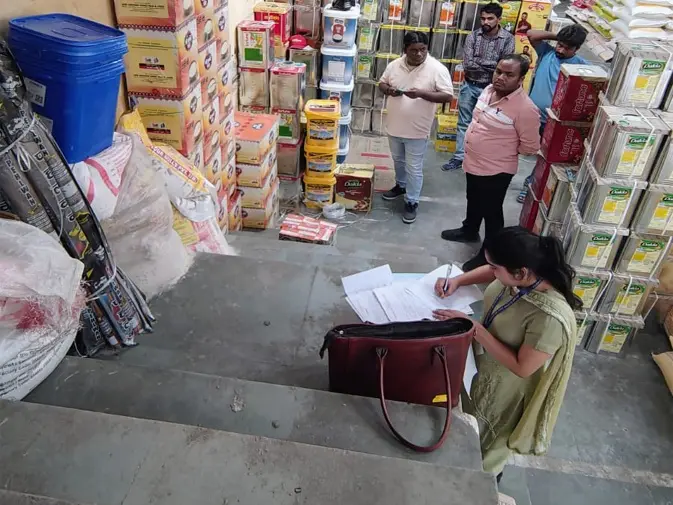
NEW DELHI The Delhi government seized 948.9 litres of ghee during raids at three locations as part of its ongoing crackdown on food adulteration ahead of the festive season. The inspections were conducted on Wednesday at Bhogal Market, Najafgarh Market and Shiv Vihar, officials said. Food safety teams seized 389.9 litres of ghee from Bhogal, 338 litres from Najafgarh and 221 litres from Shiv Vihar, where officials conducted a joint operation with Delhi Police. Fifteen ghee samples were collected from Bhogal and Najafgarh and sent for laboratory testing. Further action will depend on the test results. Chief Minister Rekha Gupta said the government plans to strengthen the Food Safety Department by introducing modern technology and increasing staff strength to speed up inspections and action against those involved in adulteration. She said the crackdown would continue throughout the year and would not be restricted to the festive season. The latest operation follows earlier raids in Nihal Vihar, where officials destroyed around 402 kg of food items, including rasgulla, chhena, milk cake and grated coconut. Fourteen samples were collected for testing. In a separate operation at Mori Gate Khoya Mandi, officials destroyed 520 kg of abandoned and rotten khoya and chhena and collected three samples for examination. The department said action would be taken against food business operators under the Food Safety and Standards Act, 2006, based on inspection findings and laboratory reports. Residents can report suspected adulterated food, poor-quality products or expired items by calling the department’s helpline at 1800-11-3921 during office hours. Reiterating the government’s position, Gupta warned, “Those who violate rules and play with public health will not be spared.” She said inspections would continue to protect consumers and prevent businesses from compromising food quality for higher profits.