CH NEWS, BENGALURU
Seizing upon a prolonged regional dry spell that has left water bodies across the tech capital at their lowest historical ebbs, the state government has mobilized a massive ₹150-crore, World Bank-assisted initiative to rejuvenate 135 lakes across Bengaluru Urban and Bengaluru Rural districts before the monsoon returns.
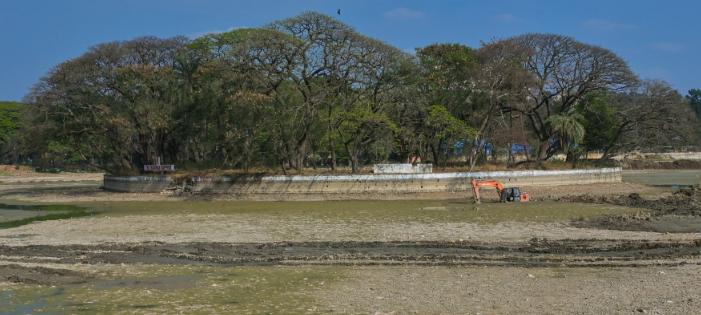
The strategic intervention forms part of a broader statewide program targeting the restoration of 500 degraded water bodies in critical districts, including Tumakuru, Chikkaballapur, Kolar, Bidar, and Kalaburagi. While the widespread lack of rainfall has triggered growing agricultural drought anxieties and mounting stress on municipal water supplies, environmental experts note that parched lakebeds present a unique, narrow window of opportunity for heavy civil engineering works that would otherwise remain impossible during wetter months.
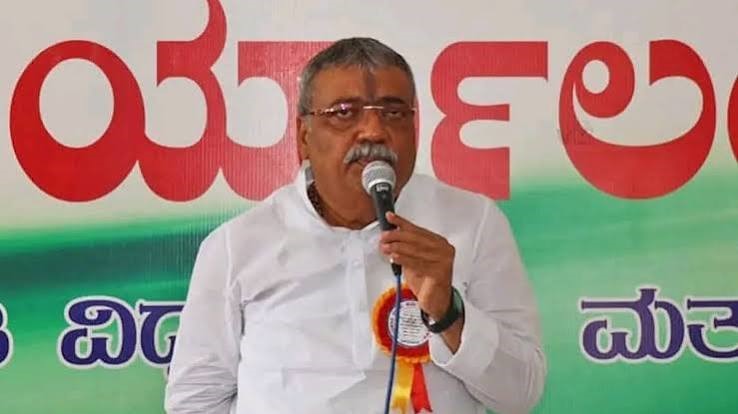
Rural Development and Panchayat Raj Minister Eshwar Khandre, addressing district panchayat chief executive officers during a high-level video conference, emphasized that the current dry conditions must be aggressively utilized to complete structural overhaul works before subsequent precipitation fills the basins. The comprehensive revitalization blueprint moves far beyond superficial cosmetic face-lifts, focusing instead on structural resilience and hydrological integrity.
Under the World Bank-backed framework, executing agencies have been tasked with extensive desilting of lake beds to maximize water-holding capacities, repairing and structurally strengthening earthen bunds, raising embankments where necessary to prevent overflow, clearing choked feeder channels, and landscaping surrounding catchments. Hydrologists point out that restoring this interconnected network of natural canals and holding basins is vital for slowing down rapid stormwater runoff, mitigating urban flooding risks, and enhancing subterranean percolation to recharge rapidly depleting groundwater tables.
With Bengaluru Urban accounting for 67 lakes and Bengaluru Rural encompassing another 68 targeted water bodies, local civic administrations face a race against time. Groundwater has long served as a critical lifeline for millions of residents, particularly in peripheral residential layouts lacking Cauvery water supply. Local lake activists have strongly backed the administrative push, stressing that the true test of urban water security lies in maximizing rainwater capture and sub-surface recharge before the next drought cycle strikes.
In addition to the massive lake overhaul, Minister Khandre issued strict directives to panchayat development officers and municipal engineers to guarantee uninterrupted access to safe drinking water across rural and semi-urban settlements. Officials have been ordered to institute rigorous, regular water quality testing protocols, conduct immediate inspections upon receiving contamination complaints from the source down to household taps, and aggressively crack down on illegal sewage inflows infiltrating public water networks. As heavy machinery rolls into parched lake basins across the region, the administration hopes these preemptive measures will permanently secure Bengaluru's hydrological future.