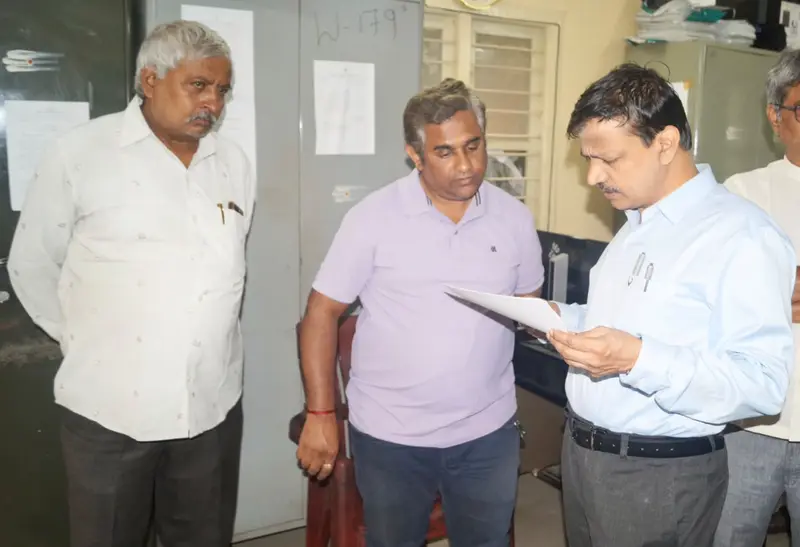
Municipal administration in Karnataka's capital has taken a major step toward cutting bureaucratic red tape and accelerating property documentation services. The Bengaluru South City Corporation recently organized a massive…
Delhi High Court upheld Rajpal Yadav's conviction, imposing a Rs 7.35 crore penalty in seven cheque dishonour cases. The Delhi High Court on Friday upheld the conviction of actor Rajpal Yadav in a series of cheque dishonour cases, dismissing his petitions challeng
The South Western Railway (SWR) has reported a significant rise in freight movement in June 2026, marking one of its strongest performances in recent years. The zone recorded freight loading of 4.18 million tonnes, surpassing the previous best of 3.98 million tonnes a
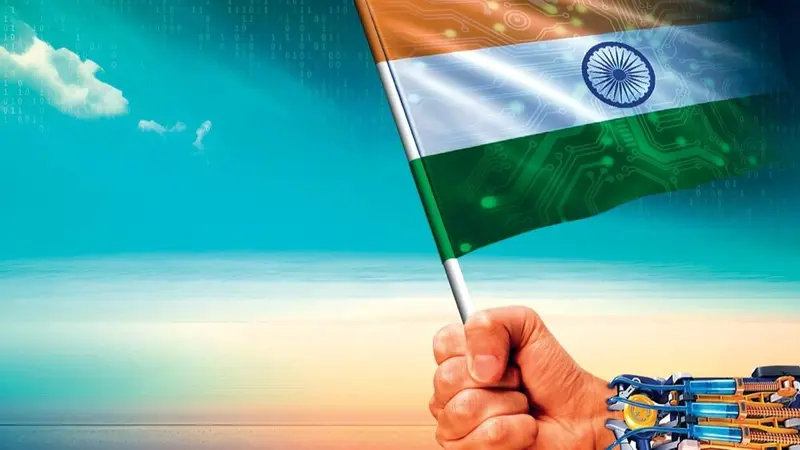
Technology is fundamentally restructuring the global economy, creating new industries while rendering others obsolete. The gig economy, enabled by digital platforms, has redefined employment relationships.
Perhaps no technological shift has been more visible than the revolution in communication. The internet, once a novelty connecting university researchers, has become humanity’s nervous system.
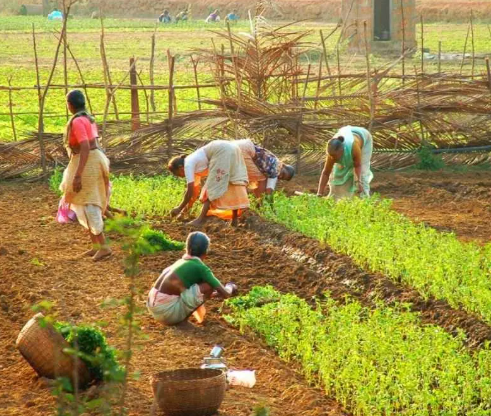
India’s heartbeat has always pulsed strongest in its villages, where millions of farmers wake before dawn to tend the land that feeds a nation of over 1.4 billion people.
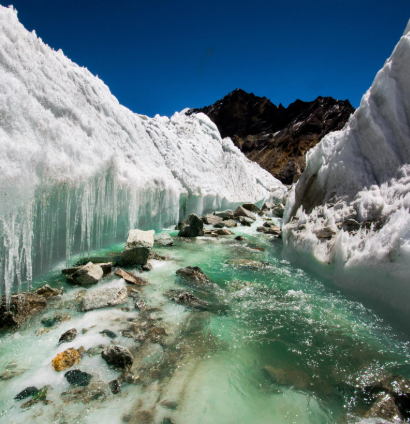
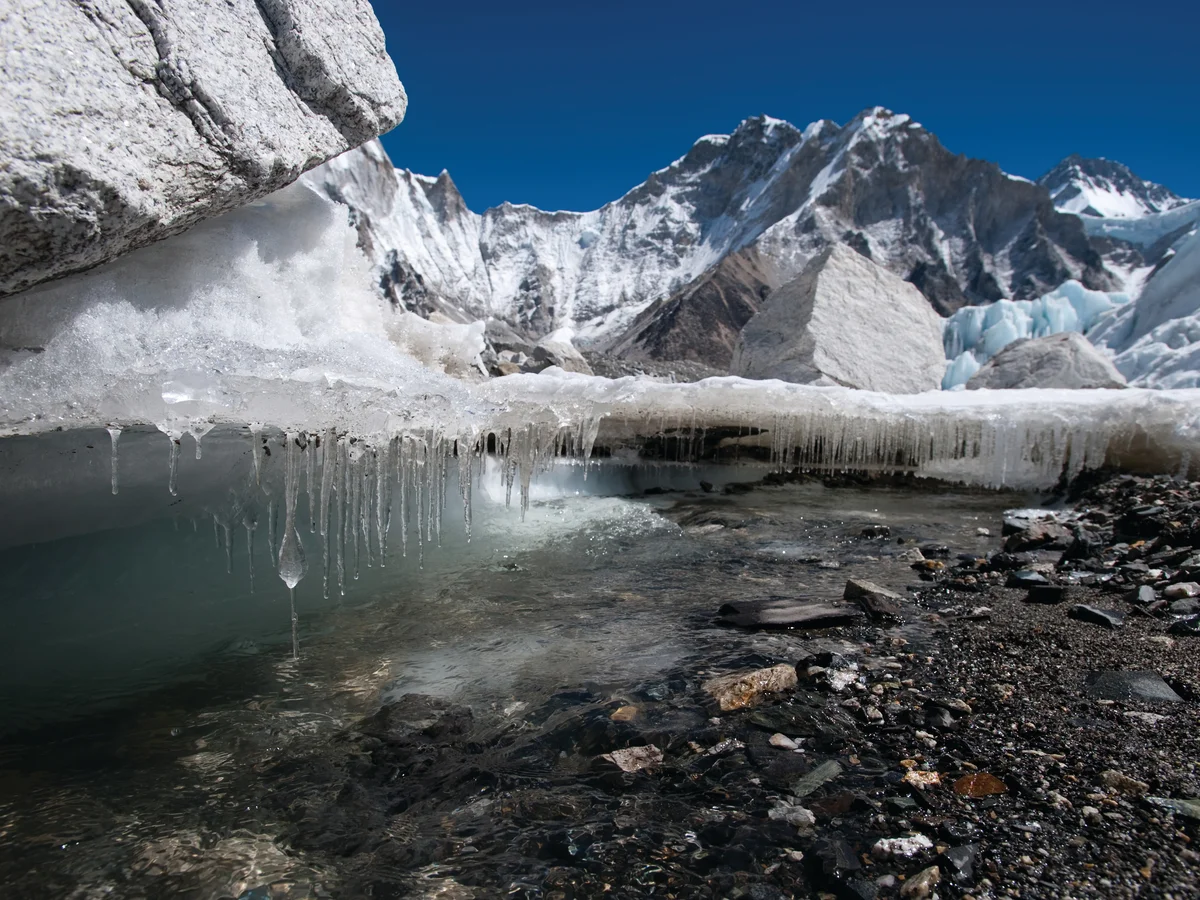
The Himalayas, often called the Third Pole due to their vast ice reserves, stand as Earth’s highest mountain range and home to the largest concentration of glaciers outside the polar regions.
The Arms Act, 1959 forms the backbone of firearm regulations in India. Under this statute, civilians (including private security personnel) can hold weapons only with strict licensing and compliance. However, enforcement challenges have surfaced.
Security in India has long been intertwined with power — whether in the corridors of political influence, the gated enclaves of gated communities, or the bustling tech hub of Bengaluru. The phenomenon of personal protection and “gunmen culture” has evolved from historical norms i
Eating unhealthy foods regularly can affect both physical and mental well-being. The major risks include: Obesity and Weight Gain: High-calorie, low-fiber foods encourage fat storage, especially around the abdomen. Over time, this can lead to obesity and associated health prob
Balanced Foods For Healthy Living. Fruits, vegetables, grains, proteins, and healthy fats form the foundation of a balanced and nourishing diet. These foods provide the body with essential vitamins, minerals, fiber, and energy needed for daily activities and long-term wellness.
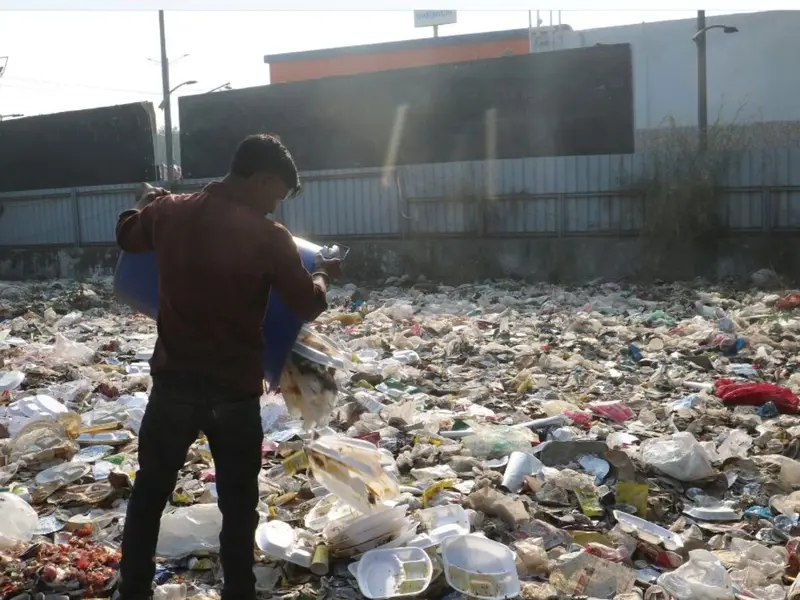
Despite the grim picture, India has witnessed positive transformations that prove improvement is possible. The Swachh Bharat Mission, despite its limitations, has created greater awareness about cleanliness and sanitation. Cities like Indore have dramatically improved their clean
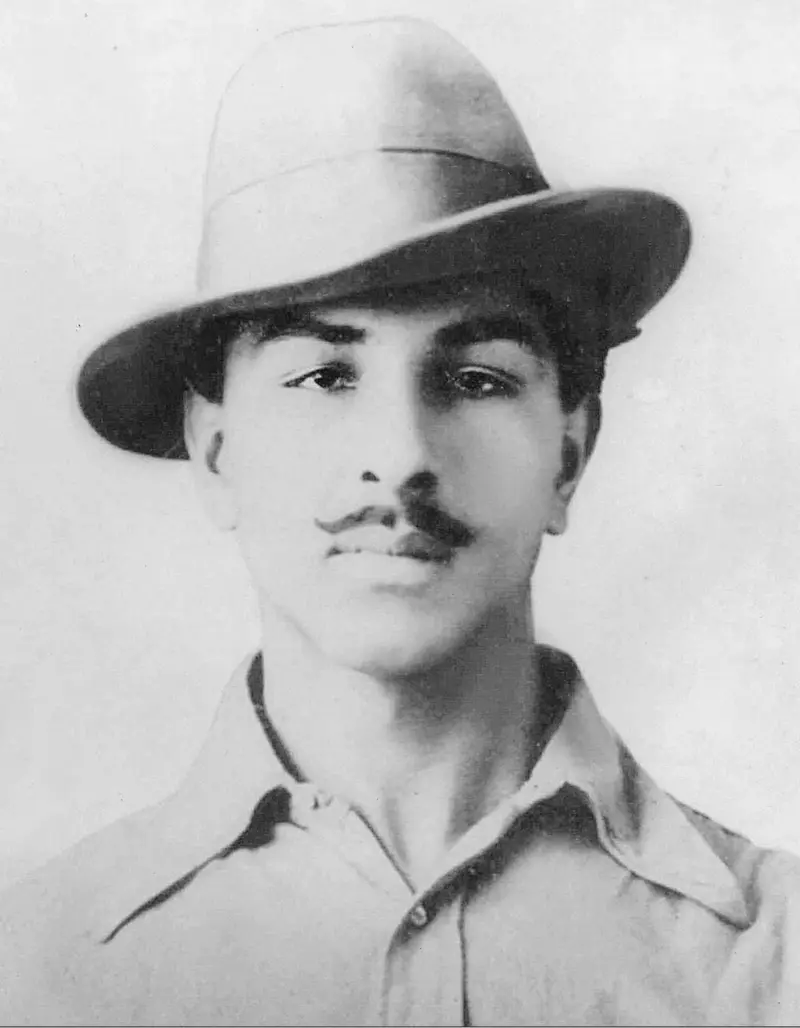
When we speak of youthful courage and revolutionary fervor, no name shines brighter than Bhagat Singh. Born in 1907 into a family already deeply involved in independence activities, Bhagat Singh was destined for greatness from the start. What makes his story particularly poignant
India's independence was not won through words alone, nor was it a gift graciously bestowed upon a grateful nation. It was earned through the blood, sweat, and unwavering determination of countless brave souls who dared to dream of a free India. While history often highlights a s
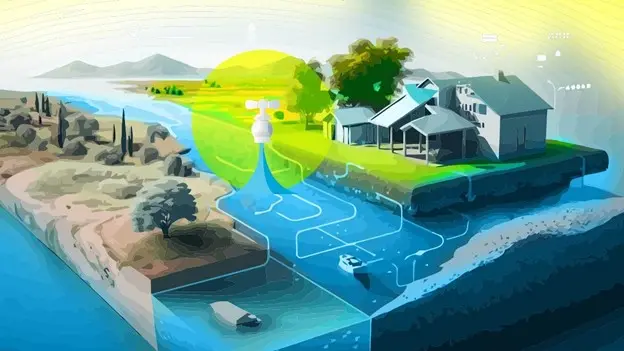
Preventing future contamination crises requires convergence of three elements: technological investment, institutional reform, and community accountability. Technological foundations must include GIS mapping of all water and sewage networks, real-time water quality monitoring
The contamination crises unfolding across Indian cities are not random maintenance failures. They are symptoms of systemic dysfunction rooted in four key areas: Infrastructure Age and Design: Most urban water systems were designed decades ago using gravity-fed distribution and
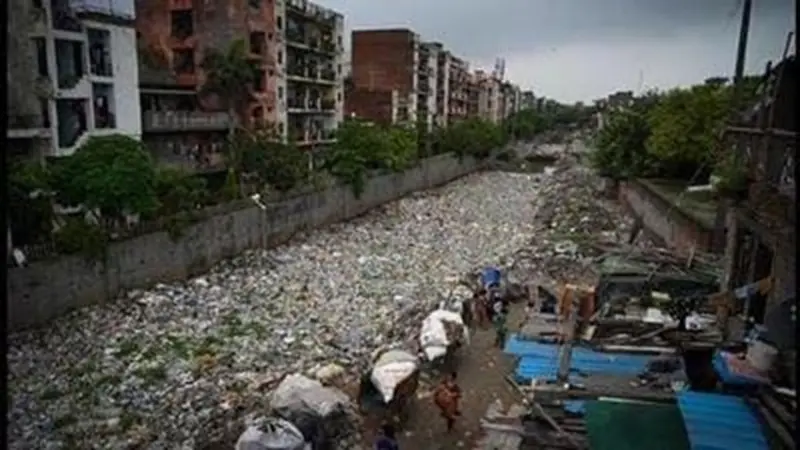
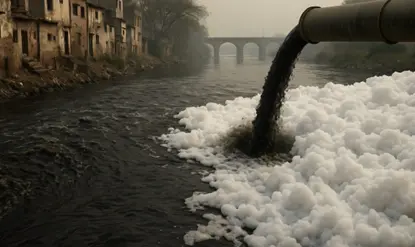
The scale of India’s water infrastructure failure is staggering. Urban areas generate approximately 72,368 million liters of wastewater daily, yet 72 percent remains untreated before disposal. The United Nations estimates that 37.7 million Indians suffer from waterborne diseases