Karandlaje: give women workers a chance
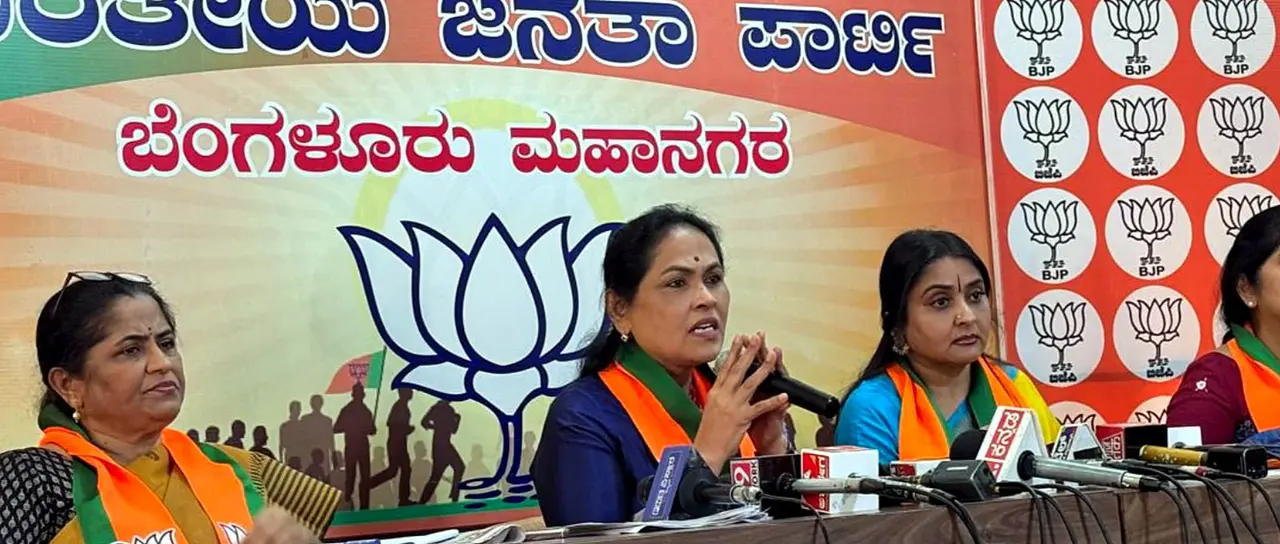
BENGALURU: Union Minister Shobha Karandlaje has said that the proposed 33% reservation for women in politics should create opportunities for ordinary party workers rather than remain limited to the family members of political leaders. She urged political parties to encourage new faces and give women workers a chance to contest elections.
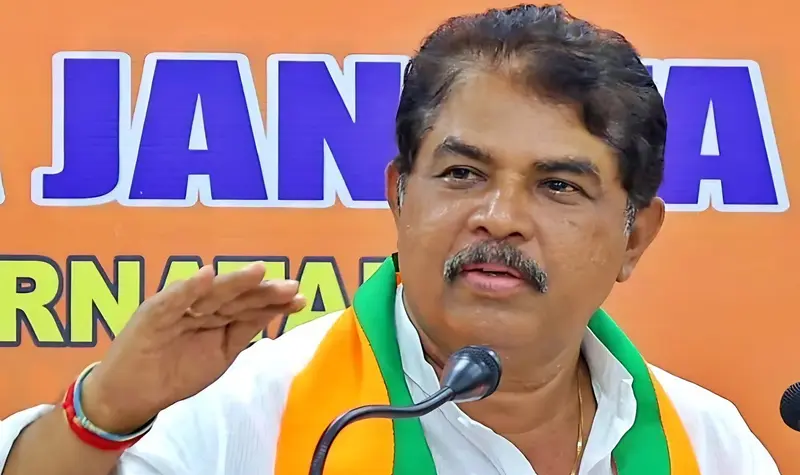
Speaking at a press conference at the BJP office in Bengaluru, Karandlaje said women should get equal opportunities to enter politics, develop leadership skills and participate in public life. She added that political parties and male leaders need not be anxious about women’s reservation.
Parliament has already passed the Constitution (106th Amendment) Act, 2023, which provides for 33% reservation for women in the Lok Sabha and state legislative assemblies. However, its implementation is linked to a delimitation exercise following the publication of the relevant census figures.
Explaining the history of the legislation, Karandlaje said efforts to introduce women’s reservation had continued since 1996 but faced delays for several years. The Bill was passed by Parliament in September 2023 and received the President’s assent.
She also discussed the proposed delimitation exercise, which could increase the number of Lok Sabha constituencies. The latest proposals cleared by the Union Cabinet on November 27, 2026, include a 50% increase in seats and a proposed maximum Lok Sabha strength of 850. The legislation is scheduled to be taken up during Parliament’s special sitting beginning November 30.
Karandlaje said the proposed changes would create more opportunities for women in electoral politics and urged parties to support their participation.
Reply to Priyank Kharge
Responding to Karnataka Minister Priyank Kharge’s allegation that MPs were not getting enough opportunities to speak in Parliament, Karandlaje said the duration of parliamentary sessions could be increased to allow more discussions. However, she questioned the Opposition’s participation and alleged that protests often disrupted proceedings.