Sharavati project study report opposed
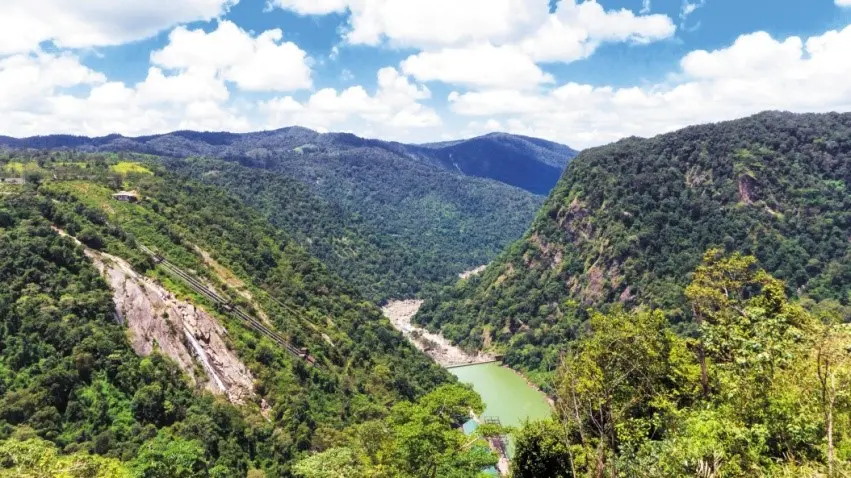
CH NEWS, SHIVAMOGGA The Malnad Environmental Experts Committee has demanded that the study report submitted by National Institute of Advanced Studies (NIAS) regarding the 2000 MW Sharavati Pumped Storage project proposed by the state government in the Sharavati Valley should be immediately rejected. In the wake of strong opposition from local and environmental activists to the Sharavati Pumped Storage Project, the National Wildlife Federation (NWF) had appointed an expert review committee headed by HS Singh. The committee visited Sagar, Jog, Gerusoppa and Honnavar areas and conducted a thorough review. The committee had reported that the project should not be allowed, citing the huge loss of biodiversity, damage to wildlife habitat, threat of landslides and massive deforestation. However, the responsibility of reviewing this report was given to the NIAS Institute in Bangalore. NIAS Institute submitted a report stating that this project should be implemented. The Independent Expert Committee of Citizens has mentioned in its report that the project has been patched up without any discussion about alternative possibilities. The independent expert committee of citizens includes former Chairman of the State Biodiversity Board Anantha Hegde Ashish, coordinator of the Western Ghats Task Force K Ganapathy, Ashish Kothari of Kalpavruksha Institute in Mumbai, retired senior forest officer BK Singh, wildlife expert Debaditya Sinha, environmental activist Dilip Kamath from Belgaum, retired Supreme Court Justice Gopala Gowda, environmentalist Joseph Hoover, researcher Rajesh Ramakrishnan, Nirmala Gowda, L Sripati from Shivamogga, honorary Professor Sripada from IIT Dharwad, Scientist Subhas Chandran, Sudhir Seshadri from Kanpur, Senior Environmentalist AN Yellappa Reddy, Ravi Chopra, Sagardhara and Srikumar from Suratkal are in the expert committee. The report does not provide a proper justification for the need for this project in a sanctuary like Sharavati. Moreover, the report does not mention the serious risks such as the establishment of a power plant underground, tunnel construction, groundwater alteration and landslides.