Pakistan reaches space, but relies on China for it
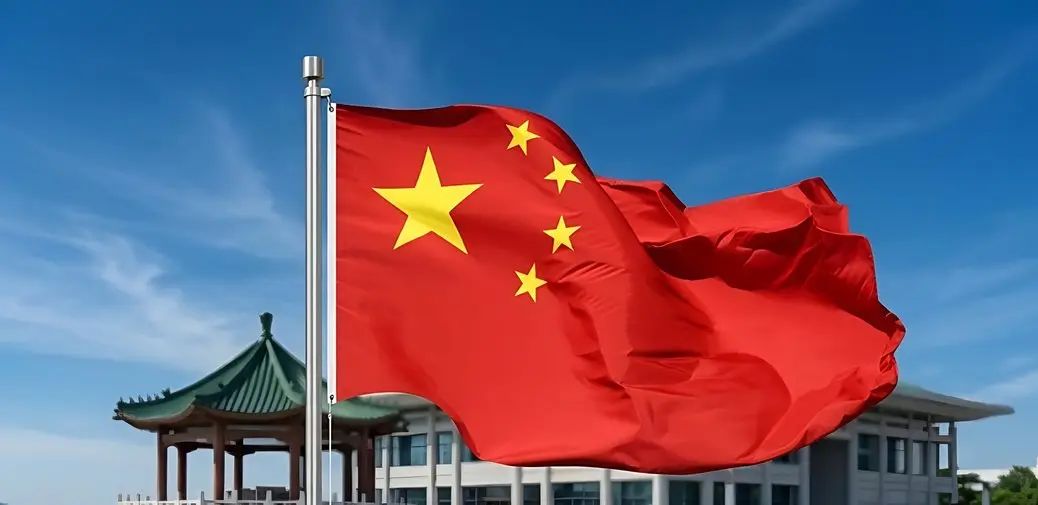
NEW DELHI: Pakistan has achieved a historic milestone by sending its first astronaut to space aboard China’s Shenzhou-24 mission, but the landmark feat also underscores the country’s continued reliance on Beijing for human spaceflight capabilities, with the spacecraft, launch vehicle, training infrastructure and mission operations all provided by China, a new report has said.
The 40-year-old Pakistan Air Force pilot lifted off on November 25 alongside two Chinese astronauts aboard a Long March-2F rocket and is expected to spend about a week aboard the orbital outpost conducting scientific experiments.
His mission follows a 2025 cooperation agreement between Pakistan’s Space and Upper Atmosphere Research Commission (SUPARCO) and the China Manned Space Agency (CMSA). Under it, Pakistani candidates were selected and trained in China before one was chosen for flight.
As a payload specialist, Ali is carrying out a series of scientific studies, including biotechnology experiments focused on food security and climate change, according to India Narrative report. Pakistani universities had submitted more than 300 proposals, with four experiments selected for the mission.
While the flight has been hailed as a landmark achievement for Pakistan and a boost to national pride at a time of economic and political challenges, analysts note that the mission does not reflect an indigenous Pakistani human spaceflight capability.
Pakistan’s manned space mission project carries an estimated cost of about PKR 2.18 billion, while the country’s overall space budget remains modest by international standards.